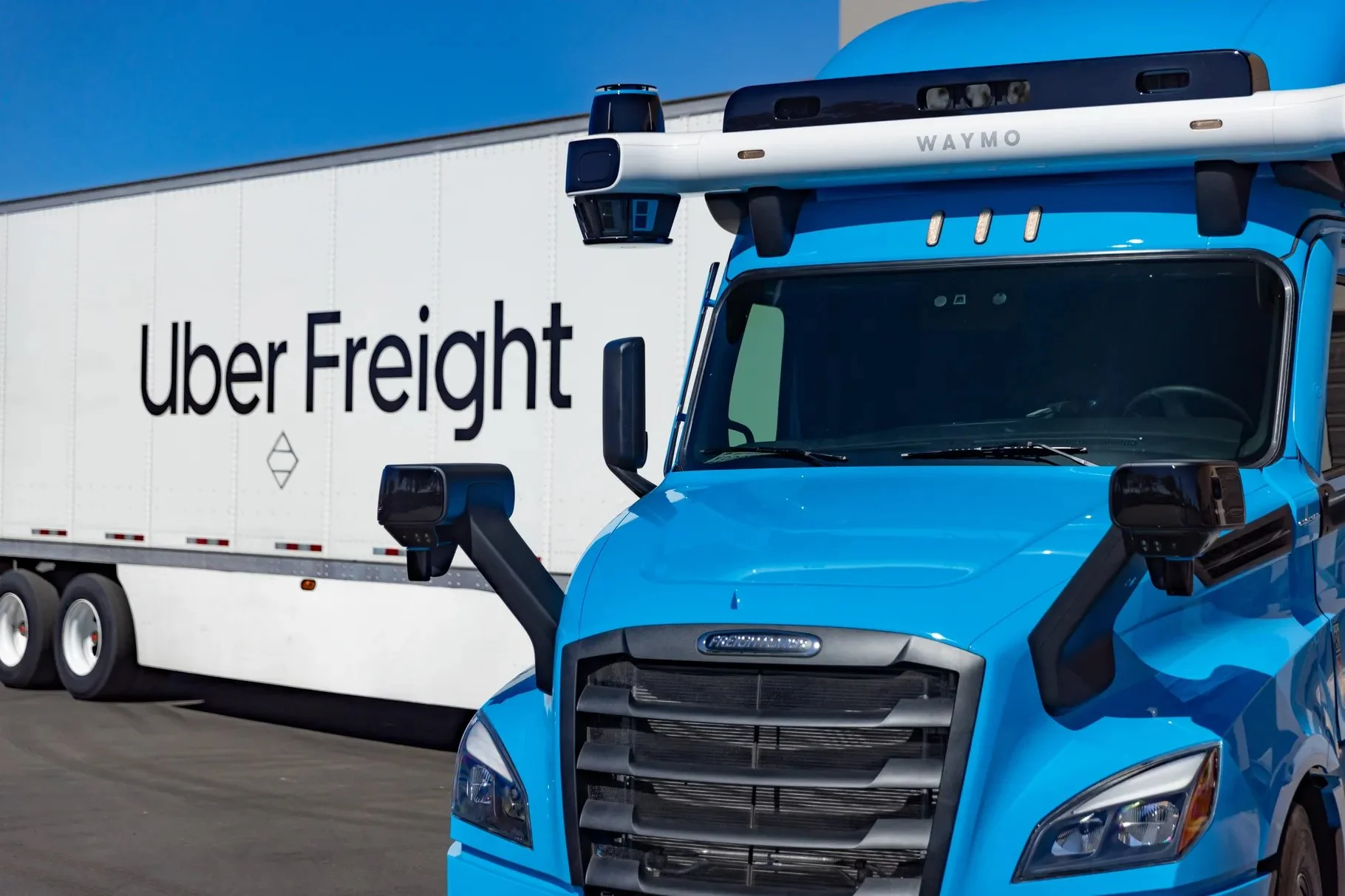
Husky Design Lead
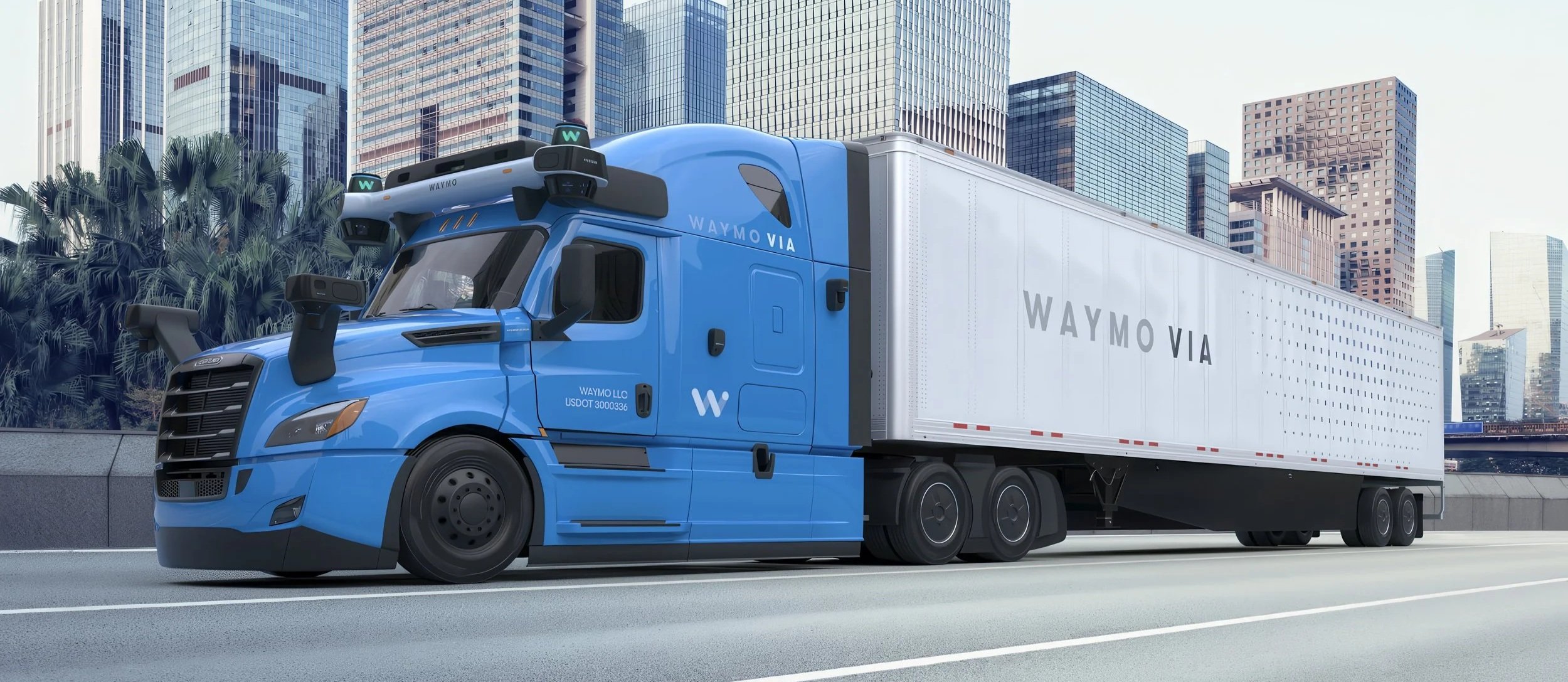
Led the industrial design of the rooftop crossbar and hood module for Husky, Waymo's long-haul autonomous trucking platform. Conducted extensive design explorations, generating multiple concepts and building full-scale prototypes for executive design review. Collaborated closely with engineering teams across sensor cleaning, aerodynamic optimization, structures, and branding to deliver production-viable hardware that balanced visual refinement with the extreme functional demands of highway autonomy.
Big Vehicle | Big Challenge
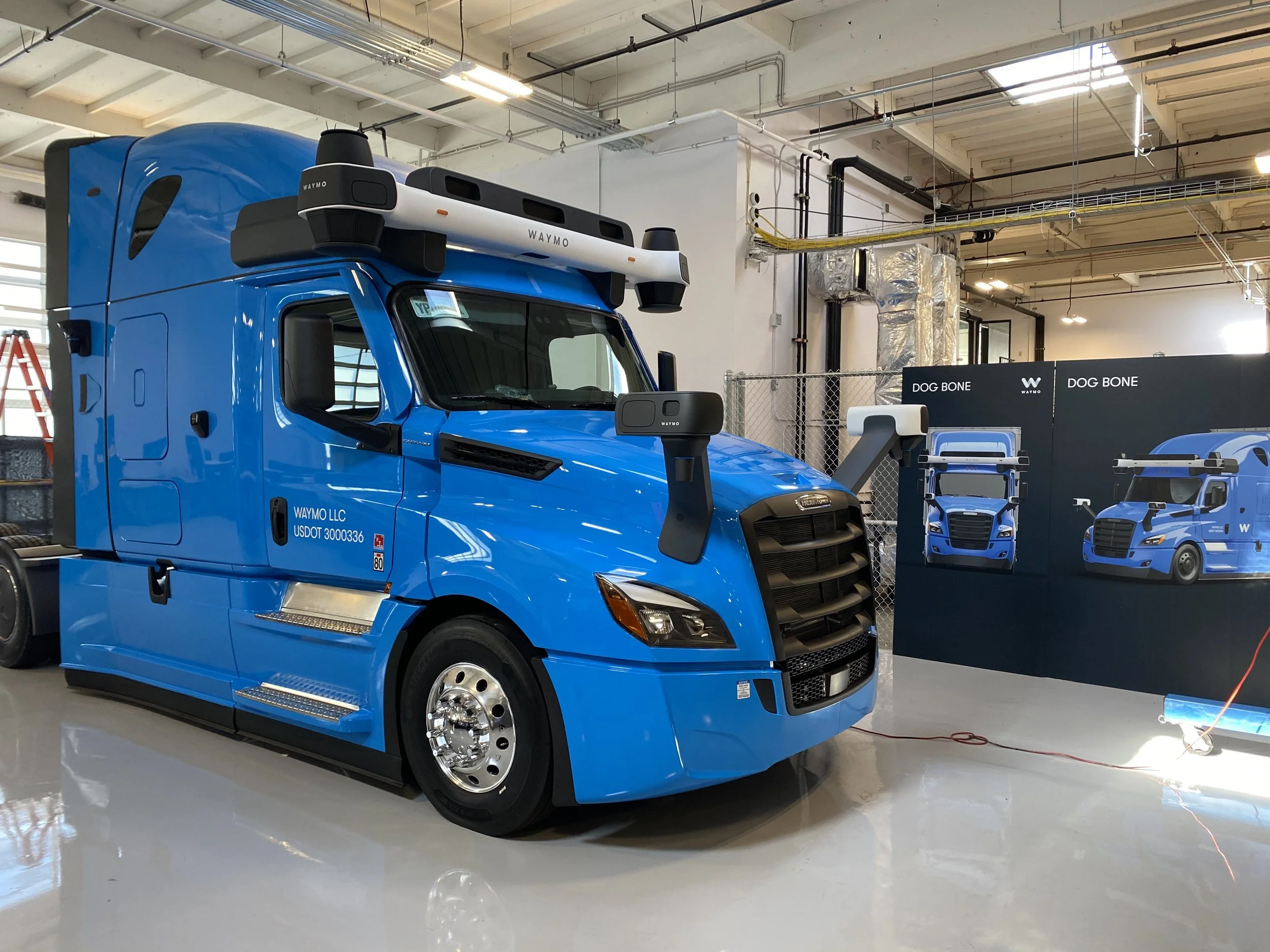
On the Husky trucking program, I partnered deeply with structural and vehicle engineering to solve problems unique to a long-haul sensor platform. The rooftop crossbar required weeks of cross-section optimization to meet first-mode stiffness targets while maintaining a slim, purposeful profile. I co-developed a novel mounting system with engineering that eliminated visible fasteners, absorbed cross-car tolerance, and drastically reduced added mass — all while remaining fully serviceable in the field. Sensor cleaning and aerodynamic performance were treated as first-order design inputs, not afterthoughts.
New!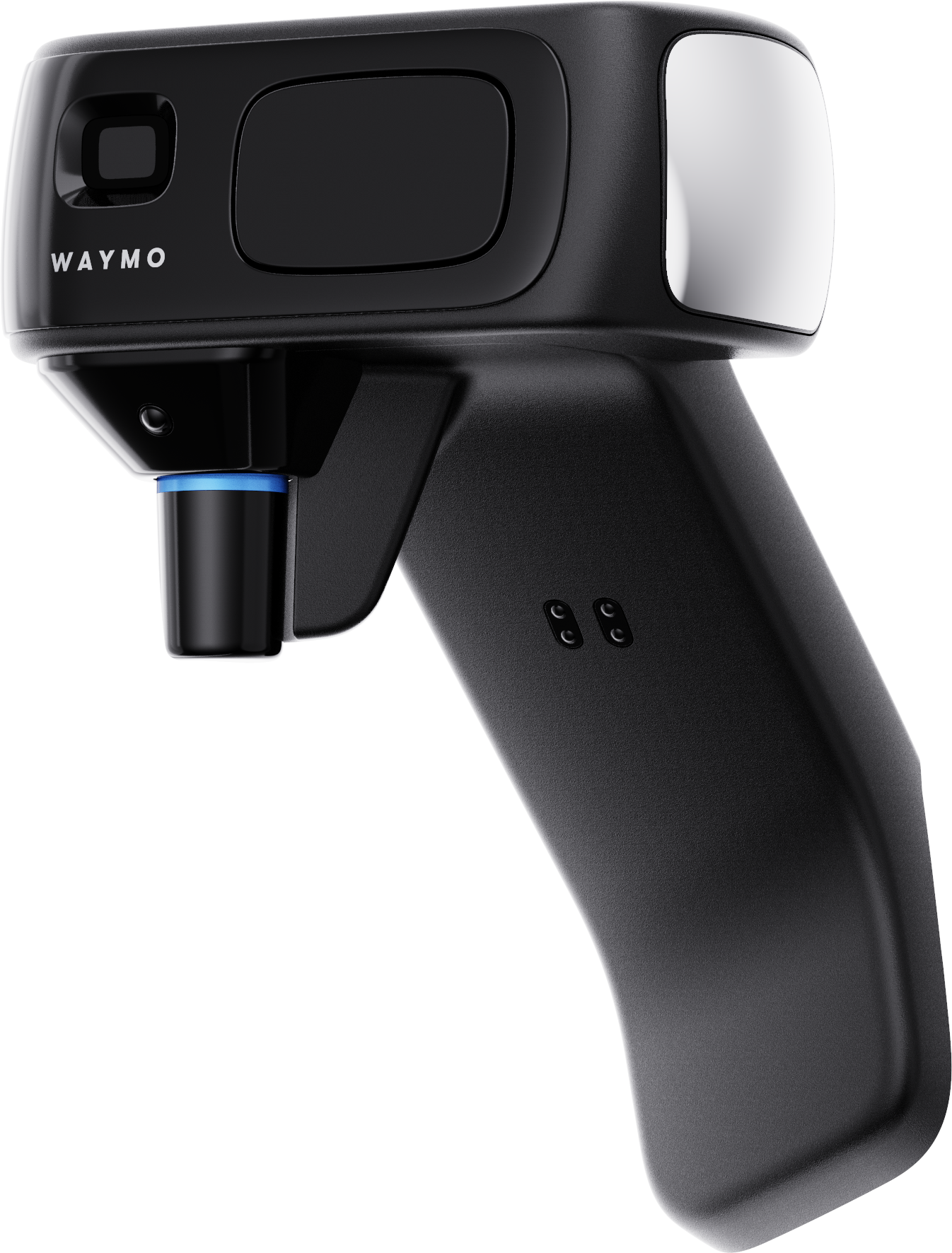
Design Language Development
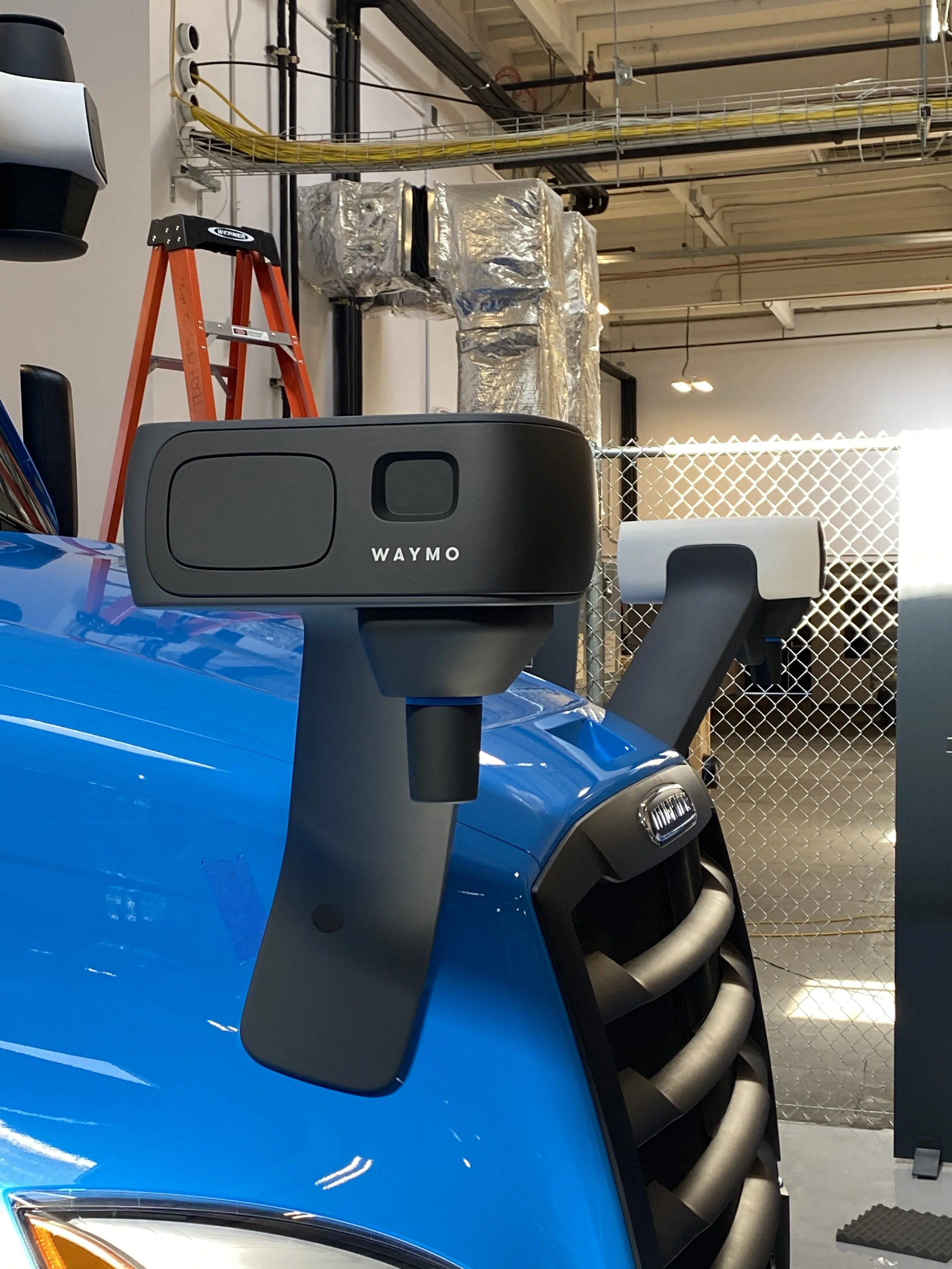
The Husky program was an opportunity to extend Waymo's physical design language into an entirely new vehicle typology. The rooftop crossbar and hood module are the most prominent pieces of Waymo-designed hardware on the truck, making them the primary carriers of brand identity on the road. I approached branding not as a decal exercise but as an integrated element of the hardware design, working with the team to ensure that form language, surface quality, and sensor integration all communicated the same message: purpose-built, technically sophisticated, and unmistakably Waymo.
Process & Craft
Husky was an exercise in rigorous design craft applied to a category that rarely receives it. I ran broad concept explorations across the rooftop crossbar and hood module, developing multiple directions through sketch, concept CAD, and full-scale physical prototypes. These prototypes were critical, they allowed leadership to evaluate form, proportion, and detail quality at true scale before committing to tooling. The work progressed through structured executive design reviews, with the final theme selected from my proposals and carried into production development.
Aerodynamic Optimization
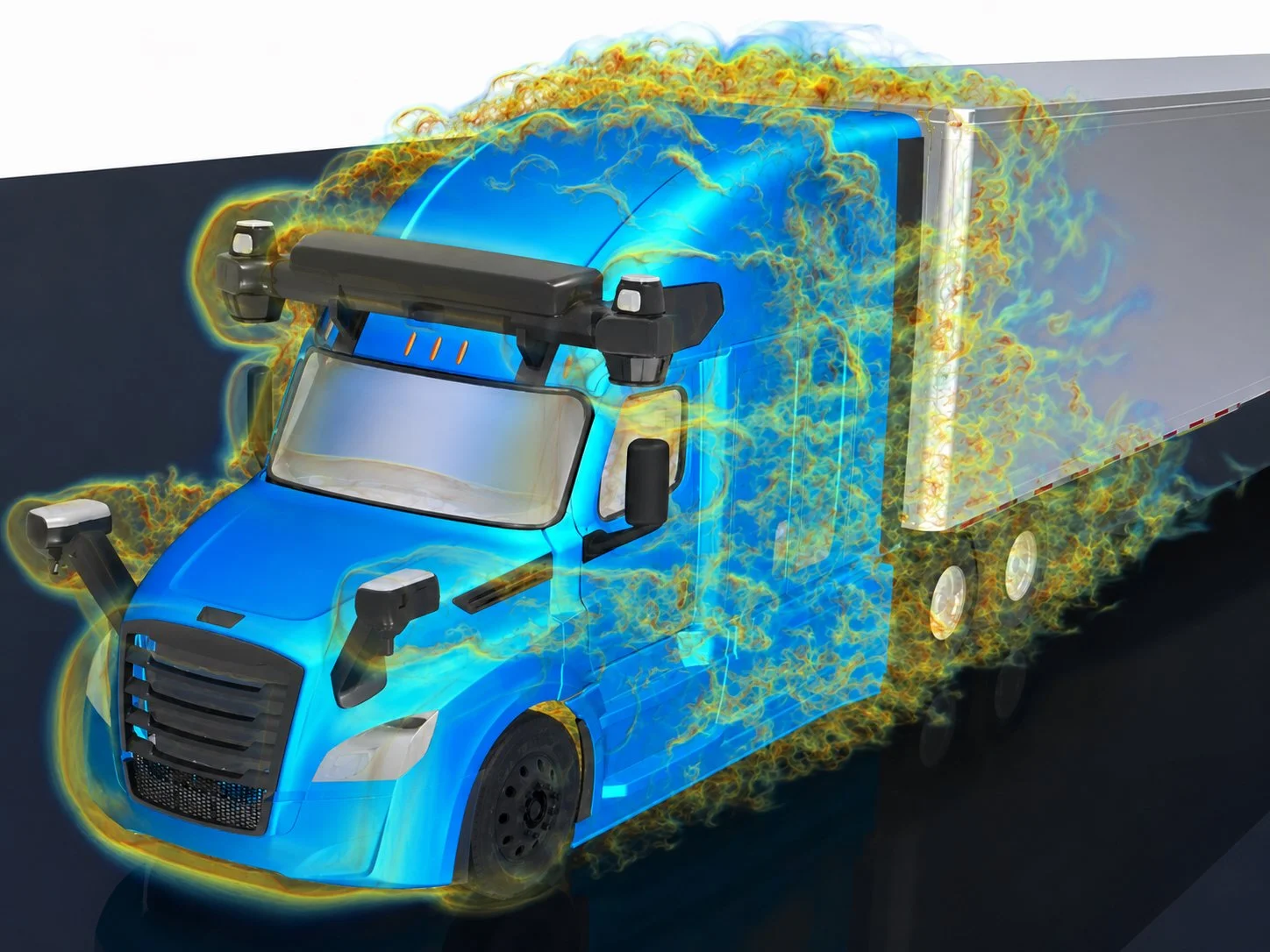
On a long-haul trucking platform, aerodynamic drag directly impacts range, fuel economy, and operating cost at highway speeds over hundreds of thousands of miles. Every surface I designed on the Husky rooftop crossbar and hood module was shaped with aero as a primary constraint.
I worked closely with the aero engineering team to optimize crossbar cross-sections and module transitions, iterating on profiles that minimized drag and aeroacoustic NVH while still meeting structural stiffness targets and sensor integration requirements.
The crossbar section itself was a weeks-long negotiation between structural depth, visual slimness, and aerodynamic cleanliness. The final design reduced added drag while achieving a profile that reads as lean and intentional rather than bolted-on, critical for a vehicle that spends its entire life at freeway speed.