Cruise
After six years at Waymo, I joined Cruise to build their first in-house vehicle industrial design team. GM had initially allocated one of their own design teams to support Cruise, but the cultural mismatch between a legacy automaker and a fast-moving autonomy startup wasn't working. The VP of Product needed an internal design function and brought me in to build it.
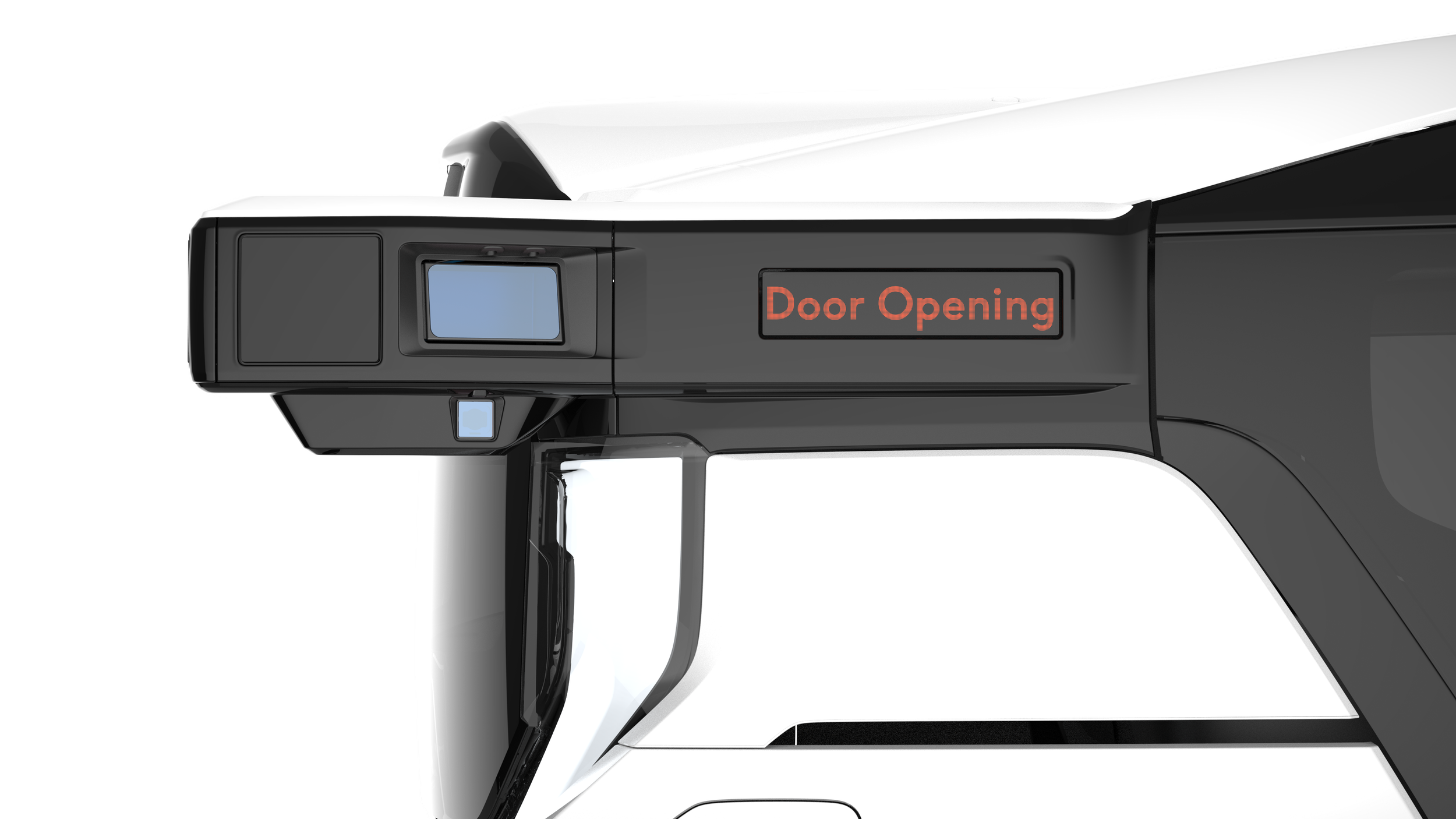
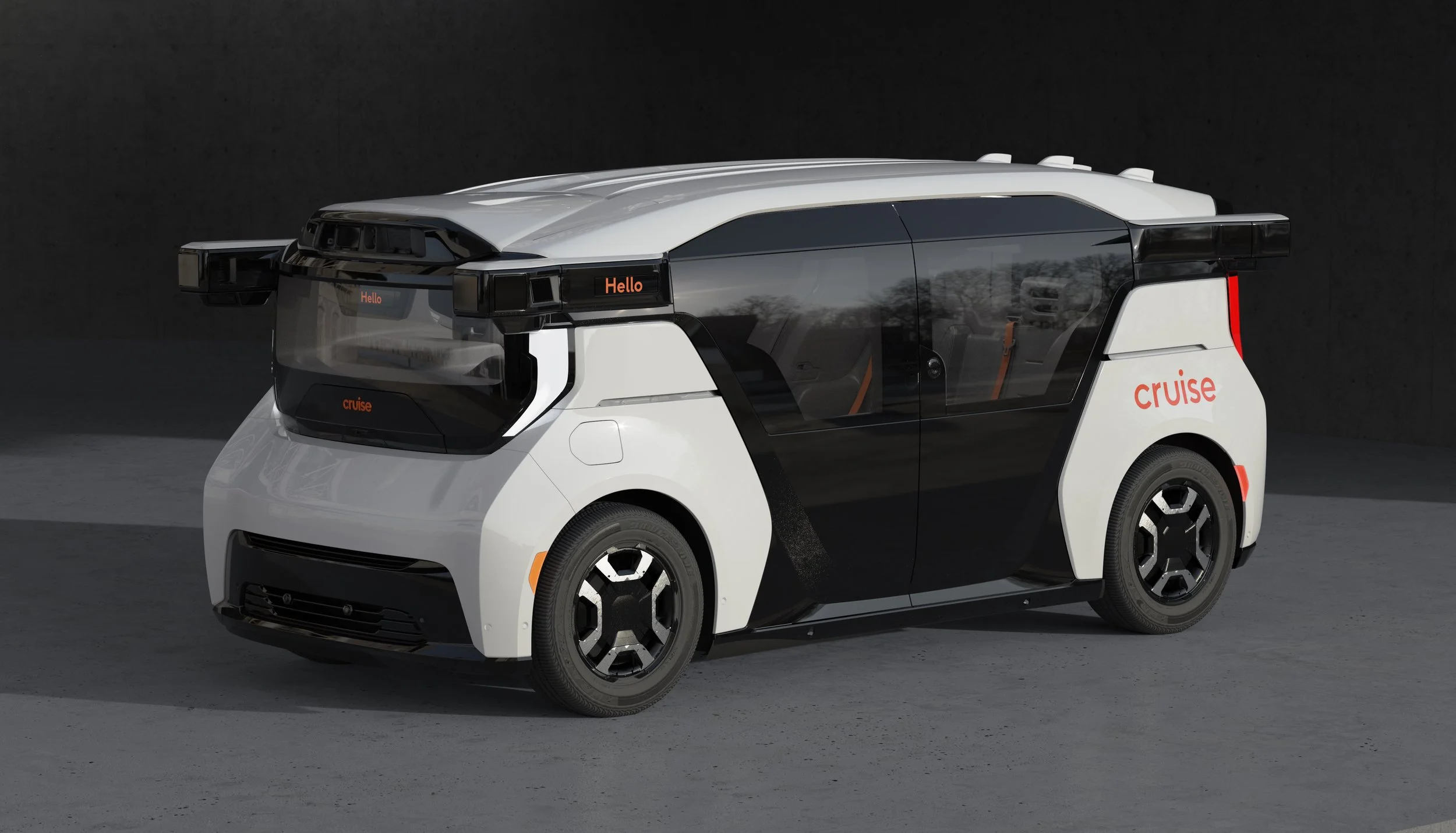
I hired and led a team of three CAD designers and one industrial designer, and together we led the vehicle industrial design for the next-generation Origin self-driving vehicle. We partnered closely with the sensor platform engineering team to develop the overall sensor architecture and designed the exterior sensor pods for Cruise's flagship autonomous vehicle.
On the technical side, we developed novel solutions that reduced aerodynamic drag, improved exterior styling, and dramatically simplified manufacturing and assembly. I established production specifications and CAD workflows, and became recognized as a technical authority in production industrial design across the company. I significantly influenced the overall sensor architecture and developed Cruise's core physical design language principles.
Production ready design
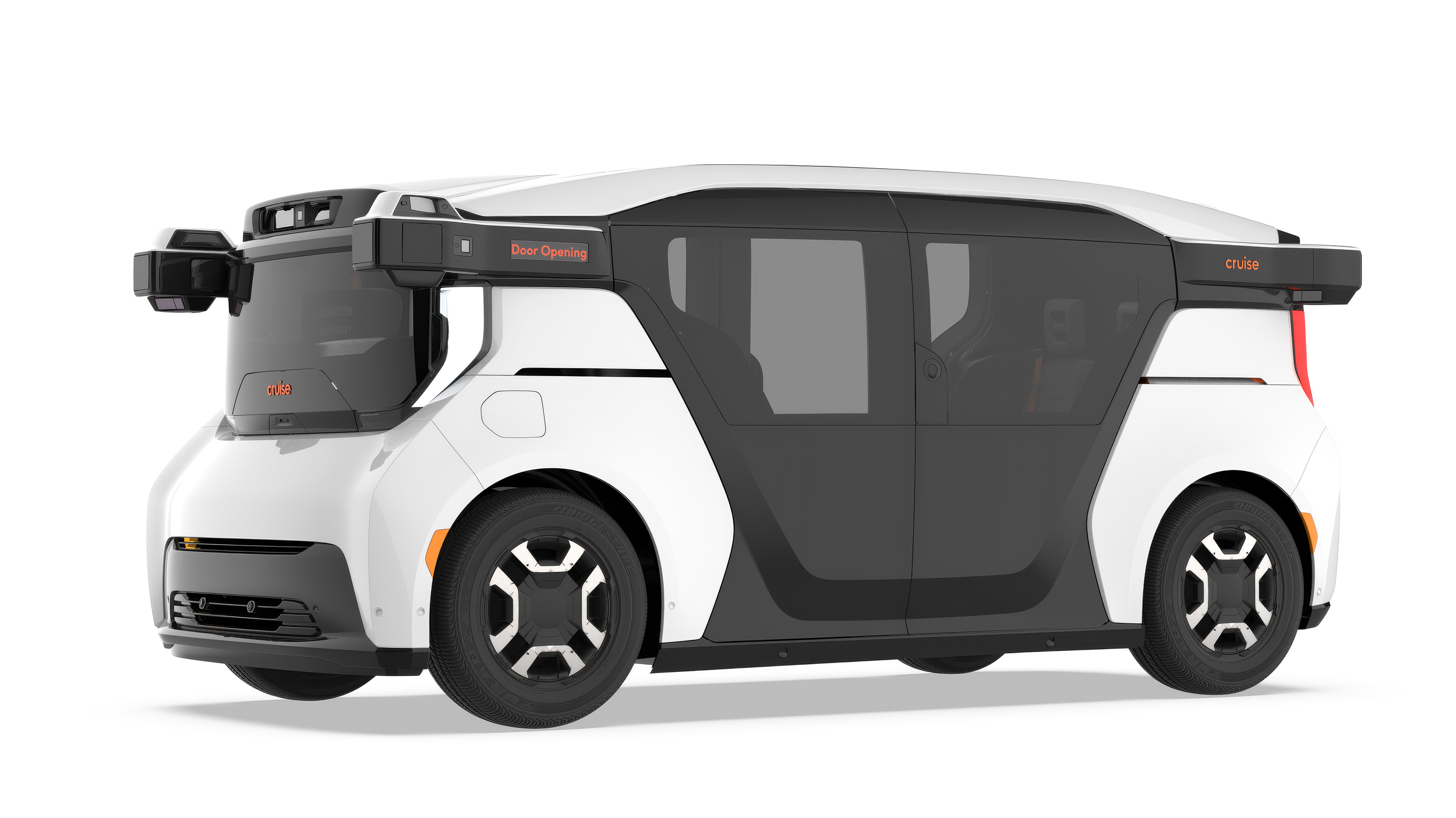
Every part in this assembly was designed for production. I developed fully feasible, tooling-ready CAD in close collaboration with Tier 1 suppliers Plastic Omnium and Magna, balancing inputs from each to deliver parallel sensor pod designs. The modular architecture integrates lidar, camera, and radar sensor modules with integrated cleaning systems, thermal venting, and structural brackets — all defined with DFM/DFA principles directly in the geometry. This work influenced the sensor supplier contract awarded by Cruise.
Shaping sensor architecture
I worked directly with sensor platform engineering to define the position, packaging, and integration of every sensor on the vehicle, well beyond the typical scope of industrial design. I initiated independent package studies across lidar, camera, radar, and thermal modules that significantly reduced pod size, and established cosmetic specifications that unified appearance across all module teams. Design and engineering developed together from day one.
Clean and Simple Design Language