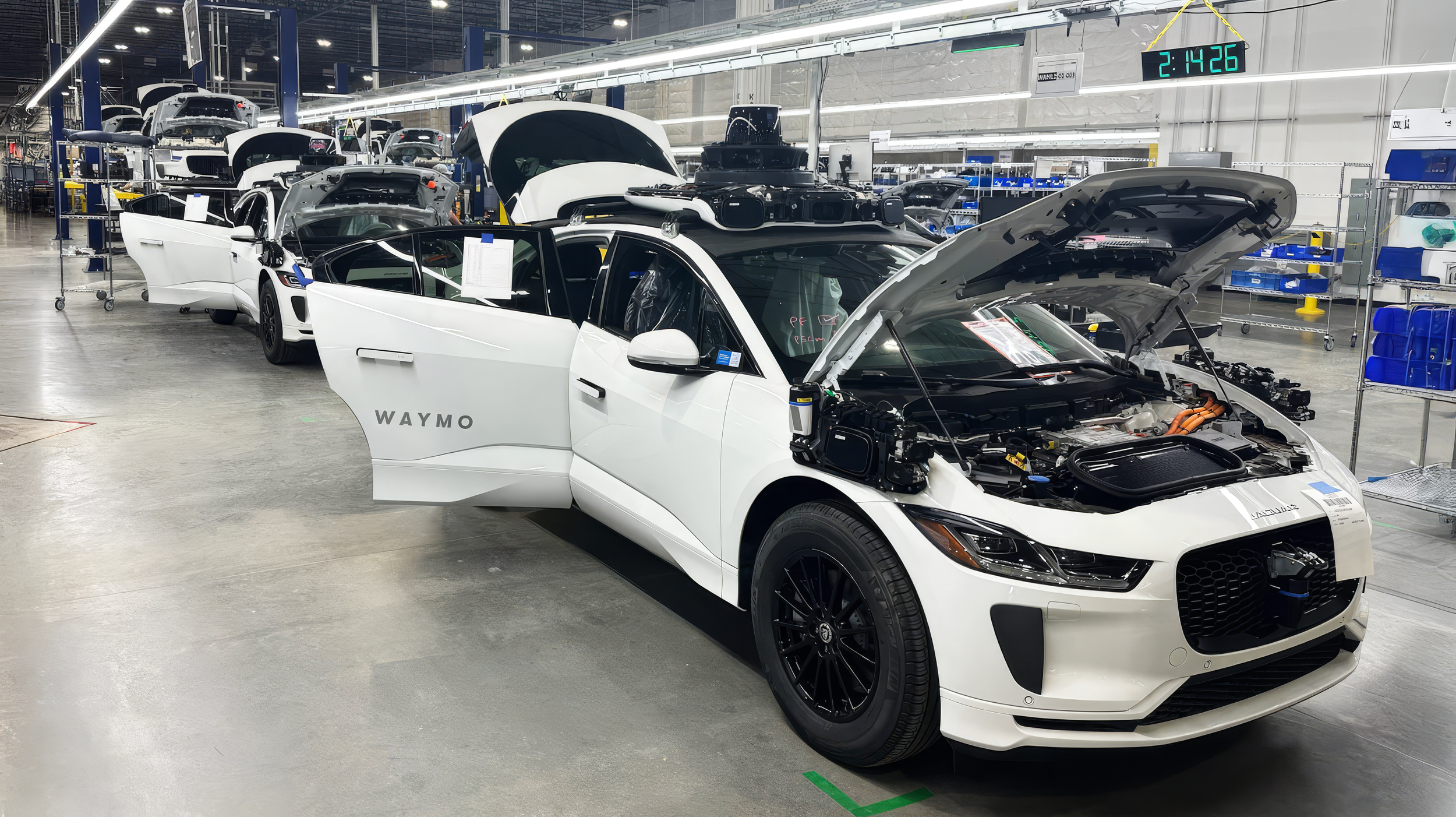
Waymo
I joined the Google X self-driving car project in 2015, when the design team was just three people. Over six years I helped transform an experimental moonshot into the world's first commercial autonomous ride-hailing service and defined the physical design language that made it possible.
I was the lead industrial designer on multiple flagship vehicle programs, including all exterior and interior customer-facing hardware on the Waymo Pacifica, the Roof Pod on the Jaguar I-PACE (awarded Red Dot, iF, Good Design, and CES Innovation awards), the Waymo Via trucking platform, and all Laser Bear sensor products. I owned hardware development end-to-end from early sketches and concept CAD through supplier engagement, prototyping, tooling kick-off, and high-volume production.
This wasn't styling cars. This was designing the first real interface between the public and autonomous machines and making it feel safe, approachable, and unmistakably intentional.
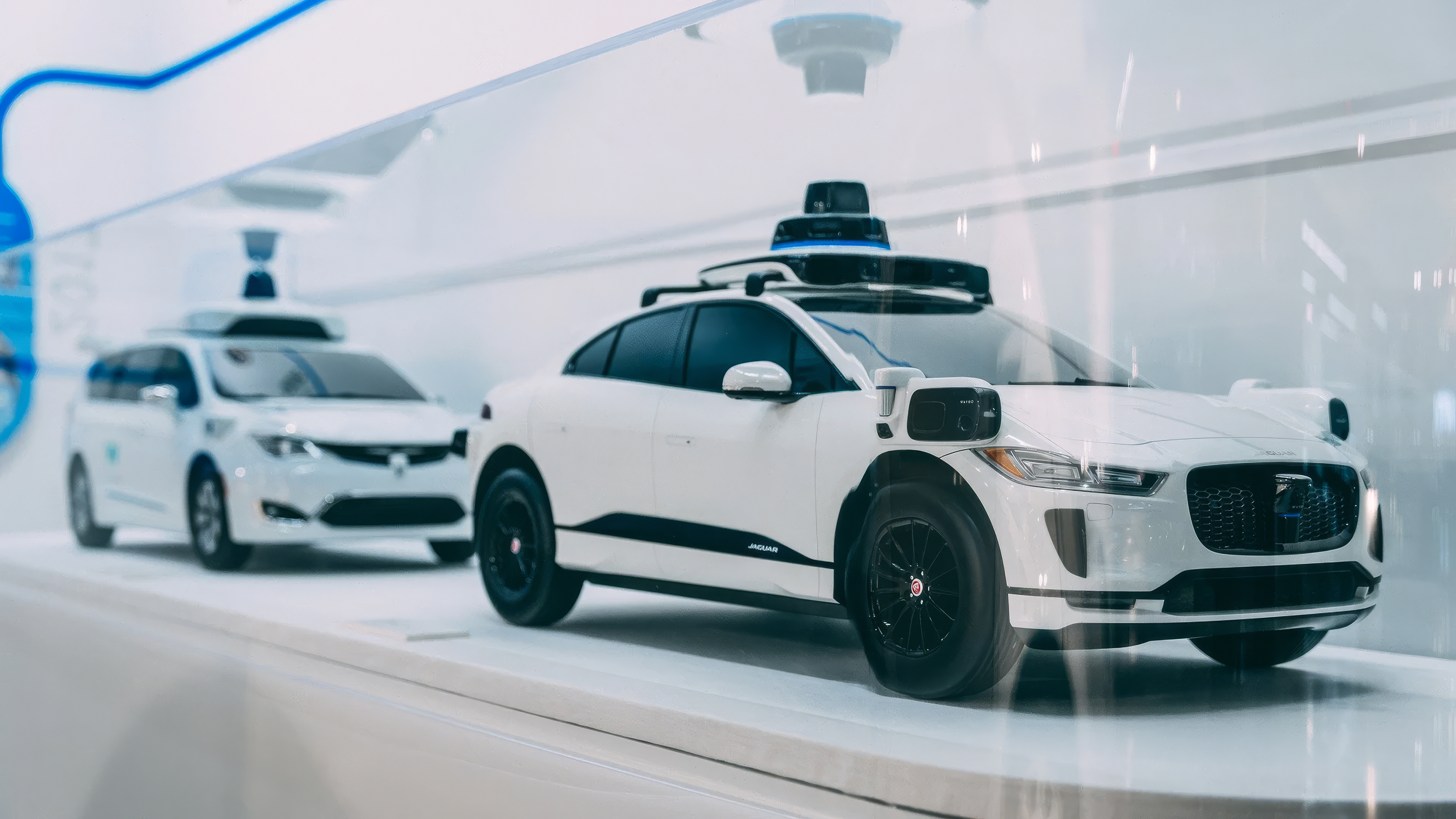
Roof Pod, Lead Designer
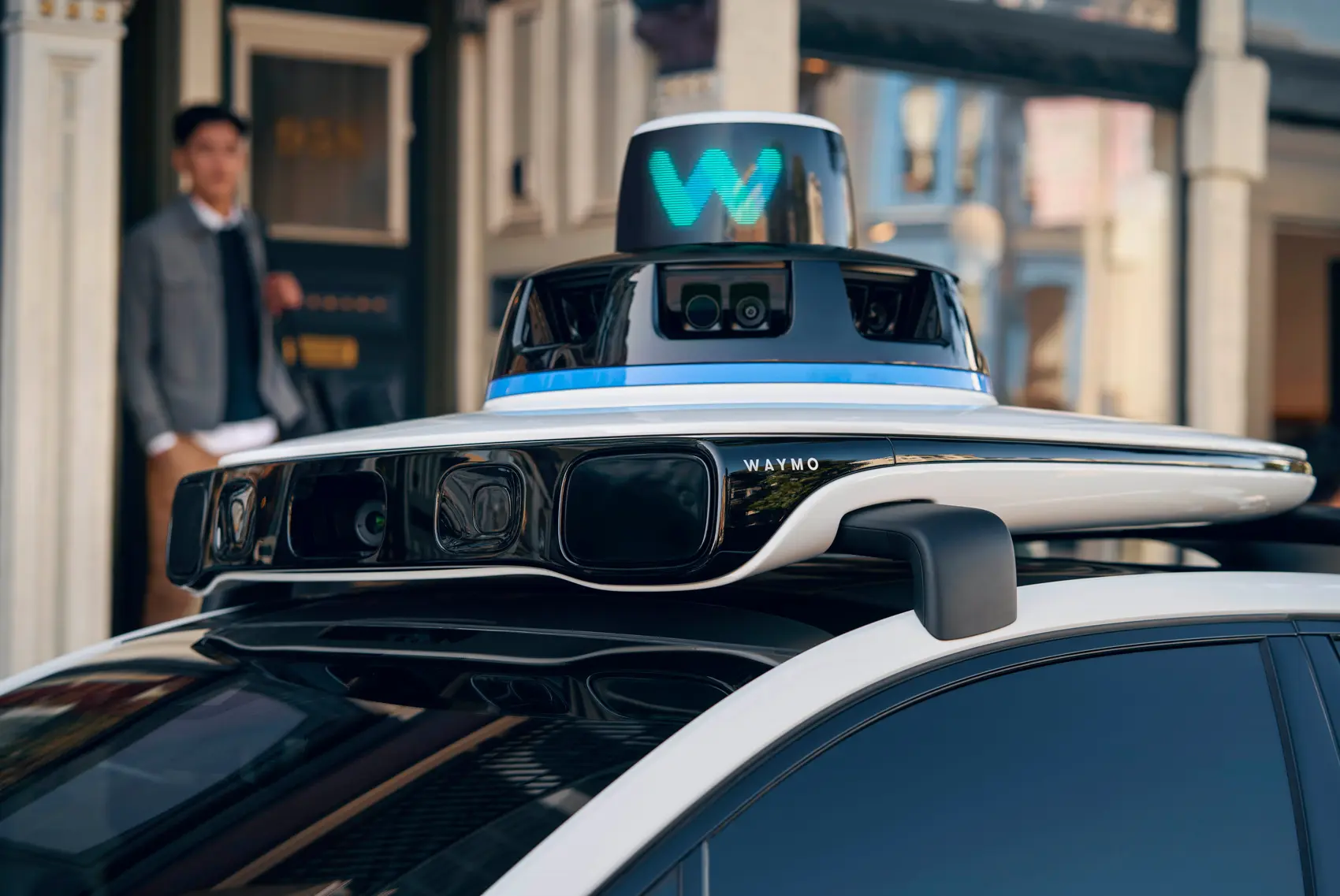
Led the industrial design of the complete roof pod assembly from initial sketches through high volume production.
Managed the full breadth of design development including aerodynamic optimization, design for manufacturability, CMF specification, and sensor cleaning systems. Worked directly with tier 1 suppliers to develop production-ready designs that balanced engineering constraints with design intent. Co-author on a patent for the spinning exterior persistence of vision dome display.
Sensor Cleaning System Design
I designed the custom cleaning system for every optical sensor in the roof pod along side sensor eng teams. This required a deep understanding of each sensor's perception requirements, including field-of-view cones, occlusion tolerances, and cleaning coverage thresholds across lidars, and cameras.
The result is a roof pod that reads as a refined, production-grade product rather than an R&D science project, a distinction that directly impacts passenger trust, perceived safety, and adoption of autonomous technology.
From Sketch to Production CAD
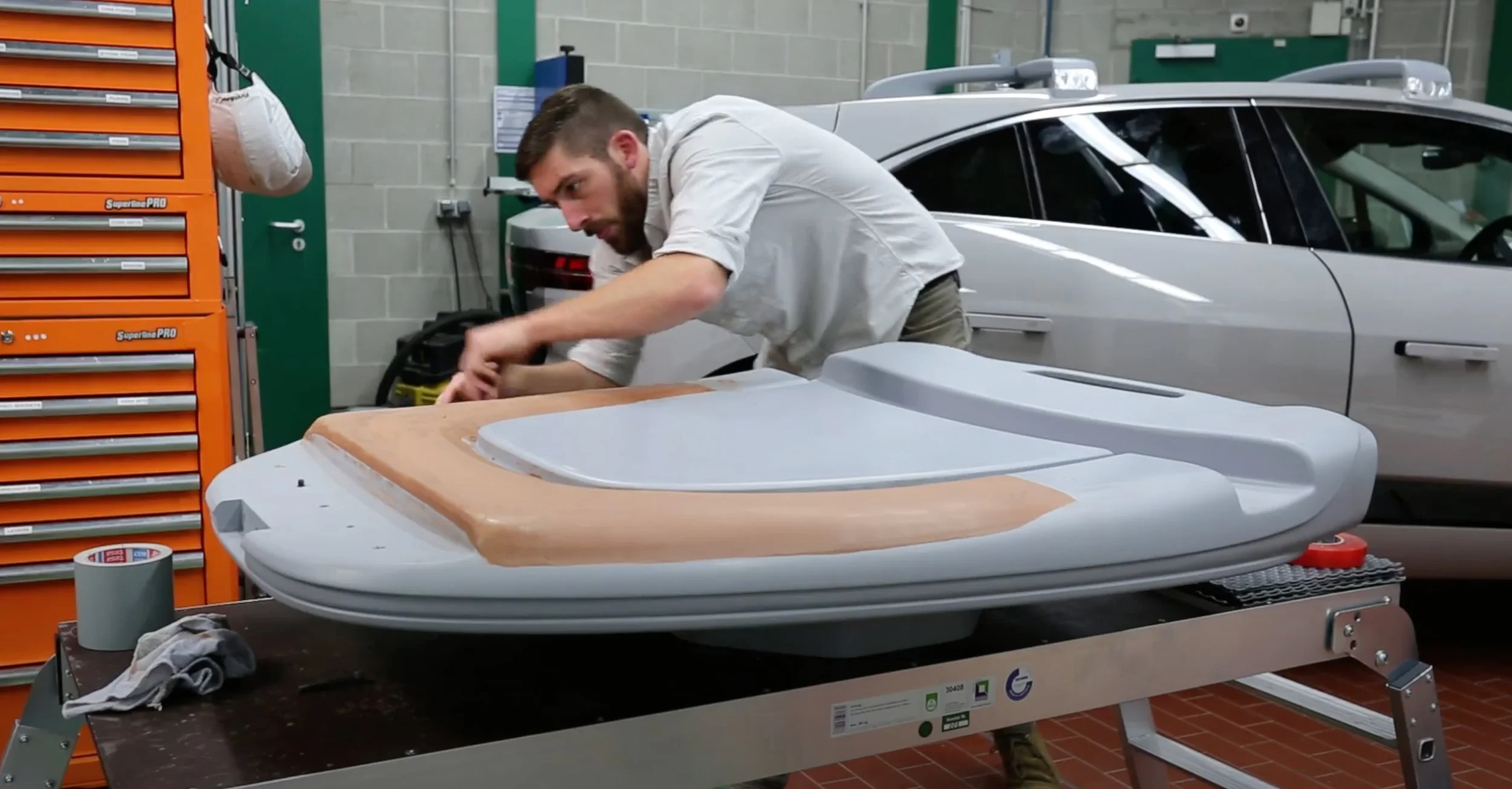
Developed the complete design language of the roof pod from early concept sketches through production Class-A CAD surfaces that were used directly to cut high volume injection mold tooling.
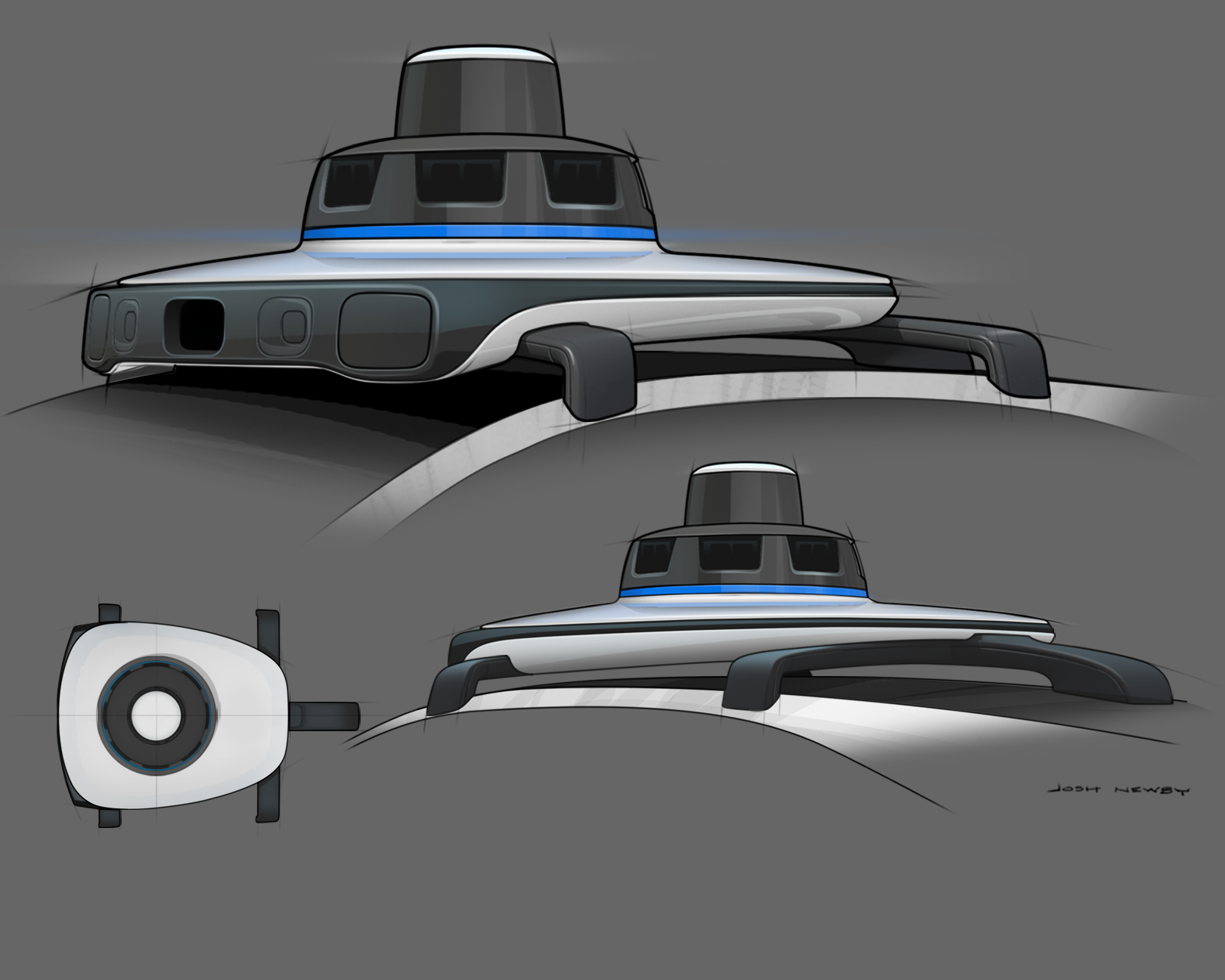
Aerodynamic Optimization
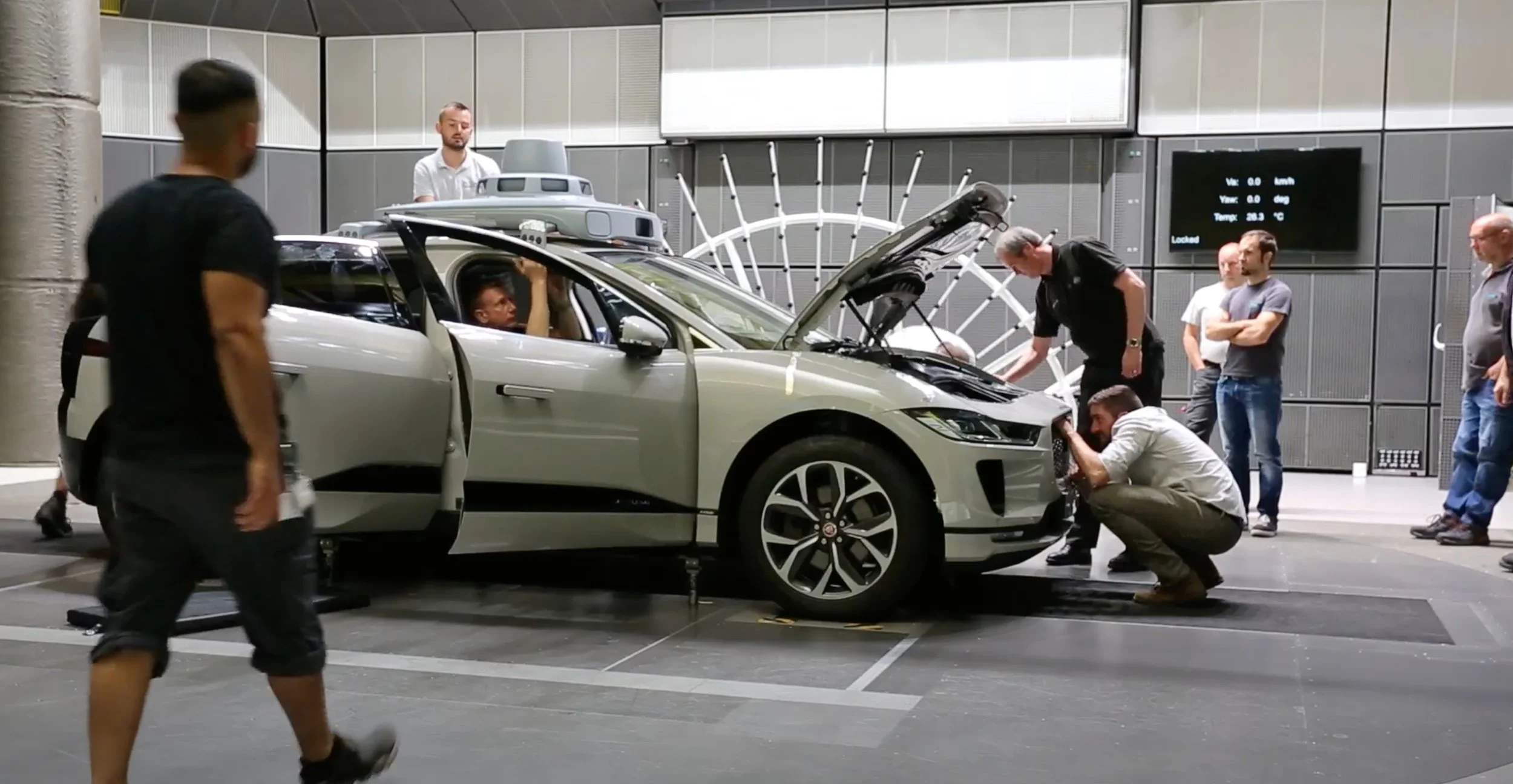
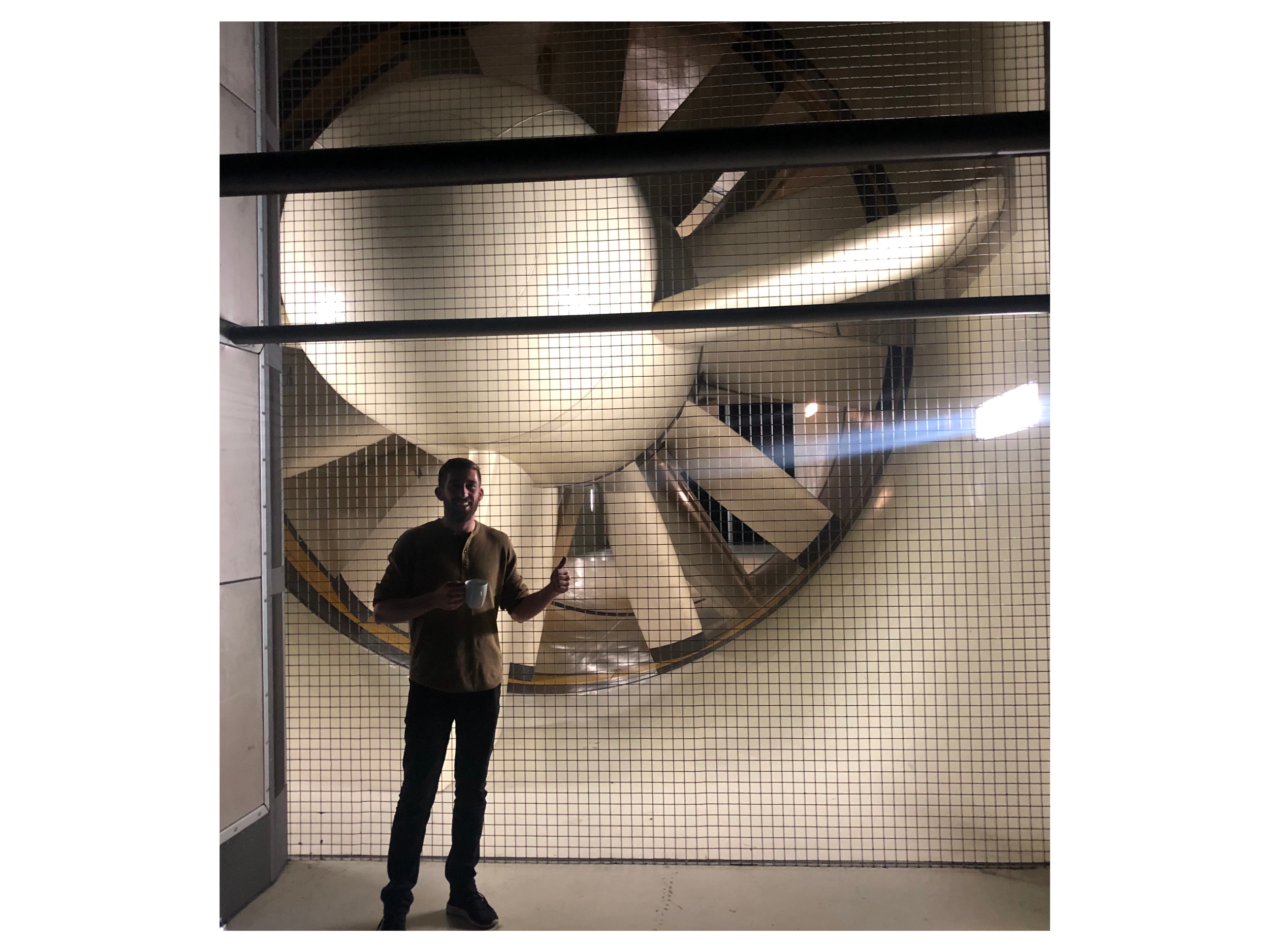
Tuned the roof pod design through extensive wind tunnel testing, optimizing for drag reduction, vehicle efficiency, and NVH performance. Balanced aerodynamic requirements with design intent to maintain a clean, harmonious form that integrates seamlessly with the vehicle architecture.
A Remarkable Team Effort
Conceptualizing a roof pod is one thing. Actually getting a design of this complexity across the finish line and into high volume production is an entirely different challenge. It was a remarkable team effort that required design leadership, relentless cross-functional collaboration, and deep partnerships across the entire organization to turn an ambitious vision into a tangible product on the road.